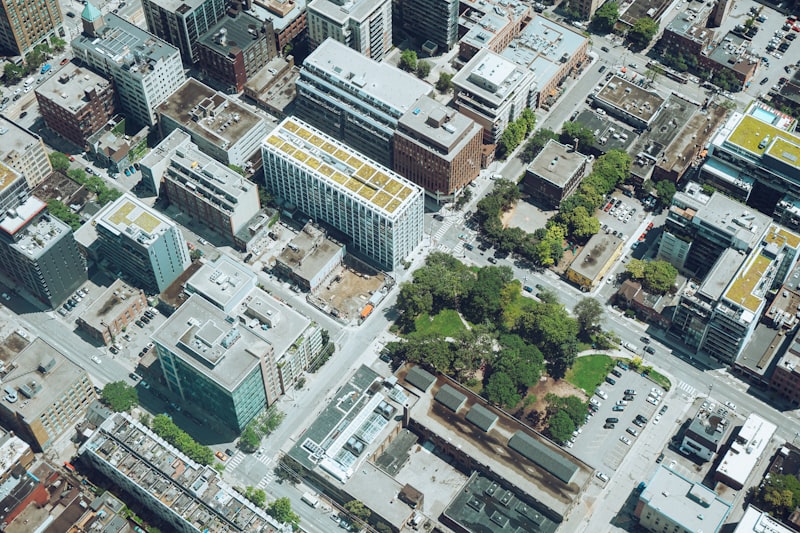

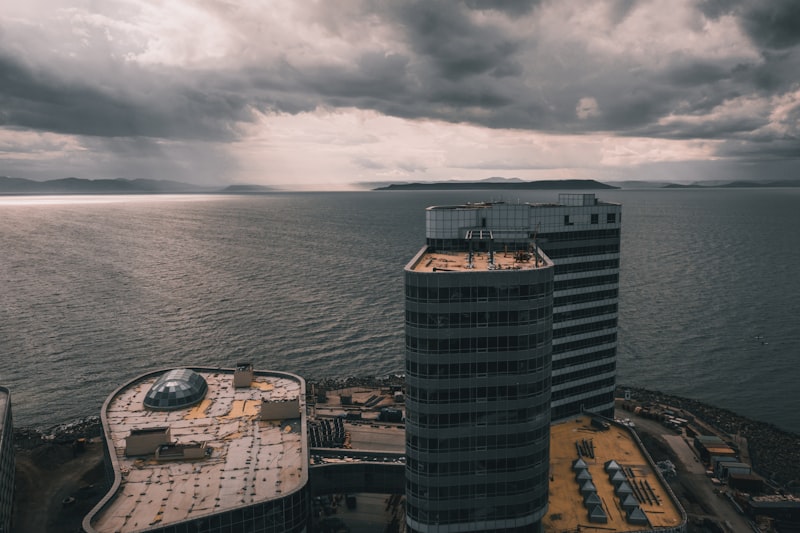
Durrat Al Bahrain is Bahrain's southern island development,2,448 freehold parcels spread across 13.2 million square meters of artificial islands. It's a stunning vision: luxury resort living, private beaches, international-caliber amenities. But compared to similar projects elsewhere, Durrat feels underdeveloped. Why?
The Scale Is Real
To understand Durrat, understand its size. 13.2 million square meters is enormous,larger than Manhattan's five boroughs combined. For context, Bahrain's entire land area is just 780 square kilometers (780 million square meters). Durrat represents 1.7% of Bahrain's land.
| Metric | Durrat Al Bahrain |
| Total Land Area | 13.2 million sqm |
| Freehold Parcels | 2,448 |
| Avg Parcel Size | ~5,400 sqm |
| Avg Property Price | BD 185,000 |
| Estimated Total Value | ~BD 450+ million |
| Current Occupancy | ~20-30% estimated |
Durrat is a serious real estate asset. But it's also underdeveloped relative to its potential.
The Freehold Advantage
Durrat's superpower: foreigners can own freehold property. Unlike most of Bahrain (where foreigners own through leasehold or special arrangements), Durrat lets non-Bahrainis own outright.
This attracts foreign investors and wealthy expats seeking permanent asset ownership. For many, property ownership is the entire point,not rental income, but owning a beach villa in the Persian Gulf with no restrictions.
The trade-off: prices are premium. BD 185K average is above Bahrain's overall average, though below Seef or Diyar. You're paying for freehold status and resort positioning.
The Resort Vision
Durrat is marketed as a resort community: private beaches, yacht clubs, golf course, restaurants, shops. Not just homes, but lifestyle. Think of it as Palm Jumeirah Lite,designed for luxury leisure living.
Jawharat Al Murjan is the flagship project: 195 luxury villas on prime beachfront, 12% sold. This is the showcase of what Durrat aspires to be. But 12% sales on a flagship suggests either (a) prices are too high, or (b) market demand is constrained.
Why Durrat Feels Underdeveloped
Several factors:
1. Distance from mainland. Durrat is on artificial islands south of Bahrain. Driving there adds 30-45 minutes to Manama. For daily commuters, it's remote. For weekend escape, it's perfect. This limits the renter pool.
2. Price point. At BD 185K average, Durrat is positioned as luxury. That narrows the buyer pool to wealthy locals, foreign investors, and high-income expats. Middle-class demand is elsewhere.
3. Rental constraints. Durrat's resort model works better for owned-and-vacated properties (bought, rarely visited, possibly rented when owner isn't there) than for investment-focused rentals. Traditional long-term rental demand is weaker here.
4. Competition. Durrat competes with resort destinations elsewhere: Dubai's Palm properties, Oman's resorts, Saudi Arabia's emerging developments. In a global luxury resort market, Durrat is a smaller player.
Durrat Al Bahrain is for buyers seeking island escape and permanent asset ownership, not investors hunting immediate rental yield.
The Rental Angle
Durrat properties average BD 185K with estimated rental potential of BD 420/month (2.7% gross yield). That's weak by Bahrain standards. You're not buying Durrat for income; you're buying for lifestyle and appreciation.
However, some owners participate in vacation rental pools. A villa bought for BD 185K, when rented seasonally (6-8 months via Airbnb or resort programs) might generate BD 6-8K annually,improving effective yield to 3-4.3%.
Capital Appreciation Potential
Durrat's underutilization is actually an opportunity. If Durrat develops over 10 years,more villas built, amenities complete, brand recognition grows,property values could appreciate 3-5% annually.
A BD 185K villa appreciated at 4% annually becomes BD 272K in 10 years. That's real wealth creation, though slower than hot emerging markets.
But here's the risk: Durrat's success depends on the developer continuing investment, amenities building, and global marketing. If development stalls (like some projects we discussed earlier), appreciation stops.
Who Buys Durrat?
Wealthy Bahrainis: Seeking second homes or investment diversification. Freehold status plus lifestyle appeal.
Saudi investors: Causeway access is short from Saudi Arabia. Some Saudi wealth seeks Bahrain real estate as foreign diversification.
Expat executives: High-income expats who want permanent property, not rentals. Durrat offers permanent resident status aspiration.
International investors: People from UK, US, or Europe seeking emerging market real estate diversification. Durrat's freehold status and resort concept appeal to global investors.
The Comparison: Durrat vs. Amwaj
Durrat and Amwaj Islands are Bahrain's two premium resort-style developments. Why is Amwaj more developed?
Amwaj is closer to Manama (15-20 min), has established rental infrastructure, and completed projects (villas moving in now). Durrat is farther south, slower to develop, and more aspirational than completed.
Both are good long-term holds, but Amwaj has more immediate rental demand.
The Due Diligence Question
Before buying Durrat, understand:
Developer timeline: How much of Durrat will be completed in next 5-10 years? Are there firm dates or aspirational timelines?
Amenity completion: Is the golf course built? Yacht club functional? These aren't just nice-to-haves,they drive value.
Liquidity: Can you resell Durrat property easily? With only 2,448 parcels and limited sales velocity, resale might be slower than urban areas.
Vacation rental policies: If you plan on nightly rentals, are they allowed? Does the resort manage them? What are the terms?
Bottom Line
Durrat Al Bahrain is a long-term play for investors seeking permanent asset ownership, international diversification, and gradual appreciation in a resort setting. It's not for rental income maximizers. The freehold status and scale are real advantages, but current underutilization and distance from urban centers are real constraints.
Durrat works if you believe in Bahrain's leisure tourism sector growing over 10 years. It doesn't work if you need immediate rental income.