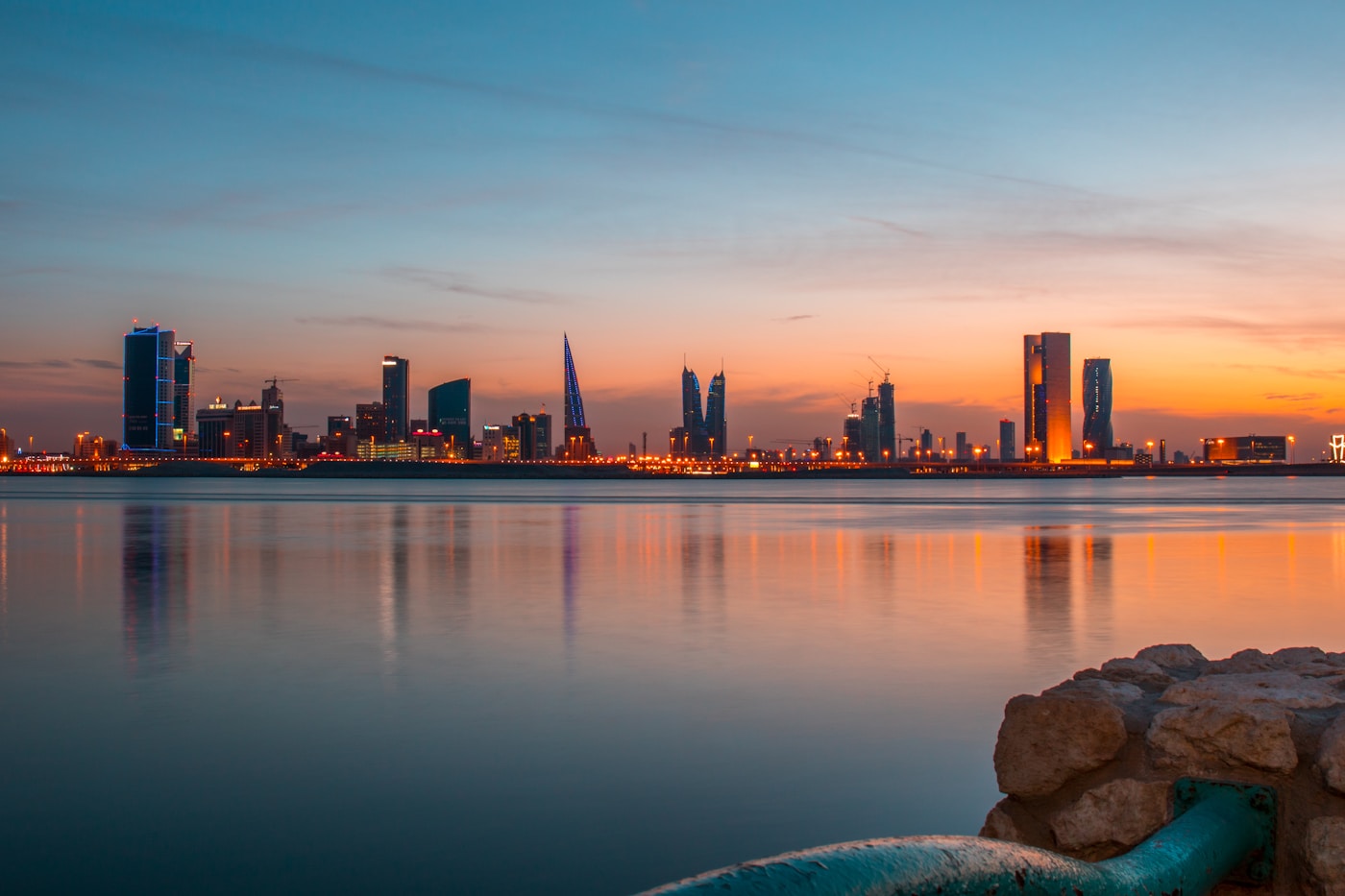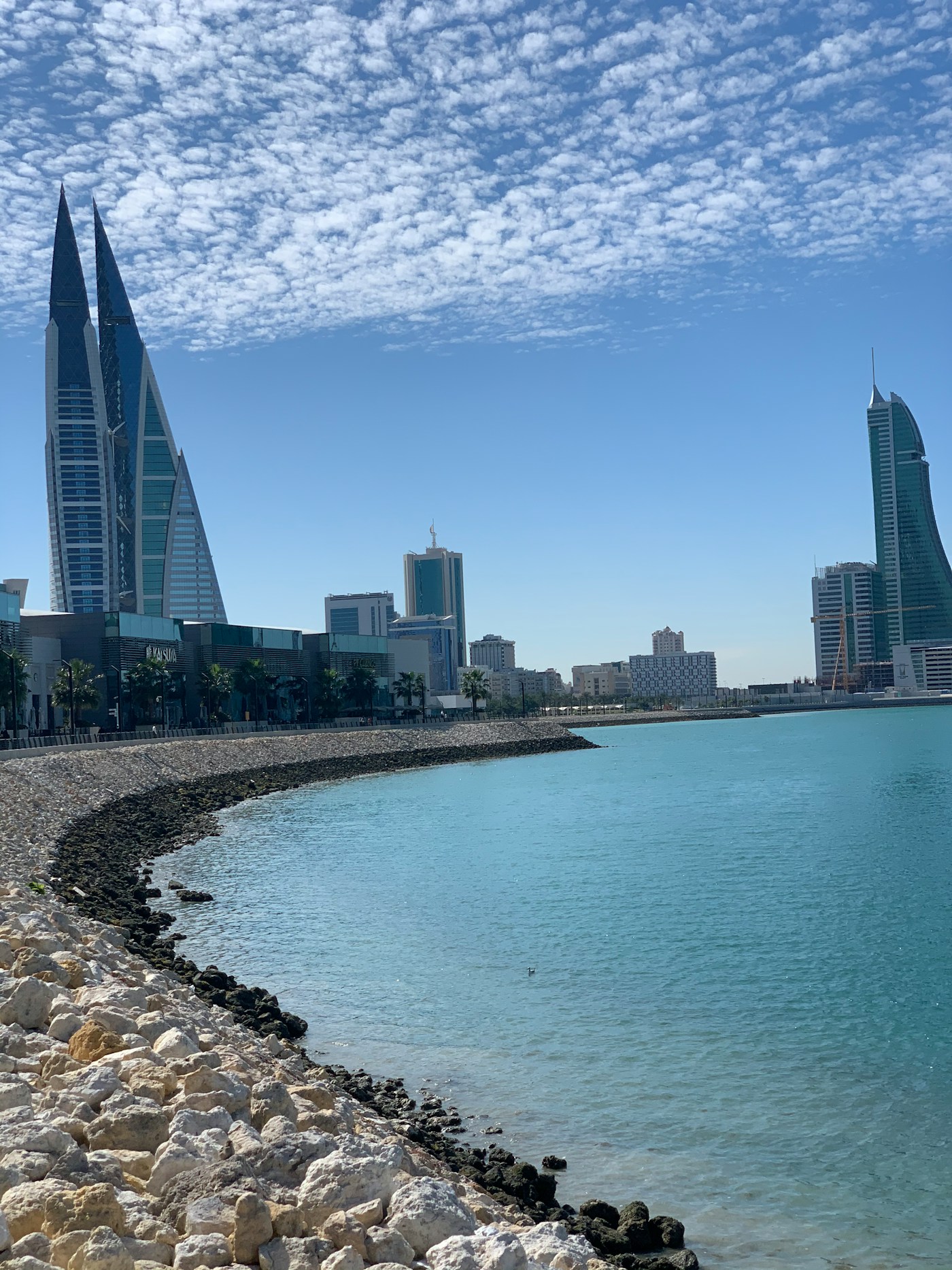

If you've noticed more traffic in Bahrain's northern governorate,Hamalah, Sar, Janabiyah, Bar Bar, Bani Jamrah, and Budaiya,you're noticing something real. The data confirms it: the north is where Bahrain's property market is growing fastest. Let's understand why and what it means.
The Numbers Behind the Movement
Bahrain's northern areas have attracted substantial transaction volume in recent years. While Manama Center remains the largest urban hub, the northern corridor,particularly Hamalah, Janabiyah, and Budaiya,is where new residents are settling and where developers are building.
| Area | Character | Growth Driver |
| Hamalah | Transitional (rural-urban mix) | Family housing, affordability |
| Janabiyah | Green, agricultural heritage | Land investment, development potential |
| Budaiya | Western green belt | Eco-conscious living |
| Bar Bar & Bani Jamrah | Quiet suburbs | Young families |
| Sar | Mixed residential | Affordable units |
Why Migration North Is Happening
Three powerful forces are pulling Bahrainis and expats northward:
1. Space and Affordability
Manama Center, Seef, and Riffa are expensive. A villa in Diyar Al Baraka costs BD 180K+. But in Hamalah or Janabiyah? You get more land, more property, for less money. Young families priced out of established neighborhoods find options in the north.
Current data shows northern areas averaging BD 100-150/sqm for land, compared to BD 250-330/sqm in central areas. That's a dramatic difference when you're buying 1,000+ sqm.
2. Development Momentum
Where are new developments happening? Look north. Infrastructure investment, new roads, retail centers, and planned communities are concentrated in the northern corridor. New hospital in Budaiya. New schools. New shopping options.
People move toward infrastructure. If Bahrain is building new amenities north, northward migration follows naturally.
The north is where Bahrain's future is being built,literally and economically.
3. Younger Demographics
Bahrain's median age is dropping as young families form. These families need: space (houses, not tiny flats), affordability (older generations have wealth, younger don't), and schools/parks/safety.
The north delivers all three. Established neighborhoods have aging housing stock. The north has new construction designed for families. Rental data confirms this: younger expats with children migrate to northern suburbs.
The Rental Confirmation
Rental data tells a story that purchase data sometimes misses. Manama Center has 82,565 rental contracts, but those are mostly short-term expat workers, not families. In the northern areas, rental patterns show longer-term residents: families, couples, people setting roots.
Hamalah rentals are rising. Janabiyah rentals are growing. These are neighborhood-building signals, not temporary housing patterns.
The Investment Implication
Smart investors are watching the north. Property bought in Janabiyah today might appreciate 40-60% over 10 years as the area develops. Why? Because land is limited, Bahrain is small, and northern areas are in the growth path of the island's future.
Off-plan projects in the north,like Amwaj Beachfront (700 units, 48% sold) and Kadi Eco (384 units, 61% sold),show demand. These projects wouldn't exist if developers didn't believe in northern appreciation.
The Old Guard Stays Central
This doesn't mean Manama Center or Riffa are declining. Established money stays put. Wealthy families in Riffa don't move. Corporate workers in Manama Center maintain those rentals. The elite in Diyar Al Baraka are comfortable.
But new money, younger families, and growth-seeking investors? They're heading north. This is a story of *incremental* expansion, not collapse of central areas.
The Commute Reality
One concern: won't people moving north face brutal commutes to downtown jobs? Initially, maybe. But Bahrain is small. Even Janabiyah to downtown is 20-30 minutes. Plus, Causeway access means many expat workers actually commute to Saudi Arabia (even shorter from the north).
As infrastructure improves and job centers distribute (Riffa has established business districts, for example), the commute concern diminishes.
What This Means for Buyers
If you're buying for the long term, northern areas offer growth potential. Hamalah, Janabiyah, and Budaiya are where development is happening and where younger residents are concentrating. Prices today will look cheap in 10 years,but that's only true if you can buy at pre-boom prices.
If you're buying for immediate rental income, stick to established areas like Manama Center or Riffa. Rental yields are proven, tenant pools are deep, and property management is straightforward.
The Bottom Line
The data tells a clear story: Bahrain is expanding northward. This isn't speculation,it's happening in transaction volumes, rental patterns, development projects, and demographic shifts. The next 10 years will belong to the north.